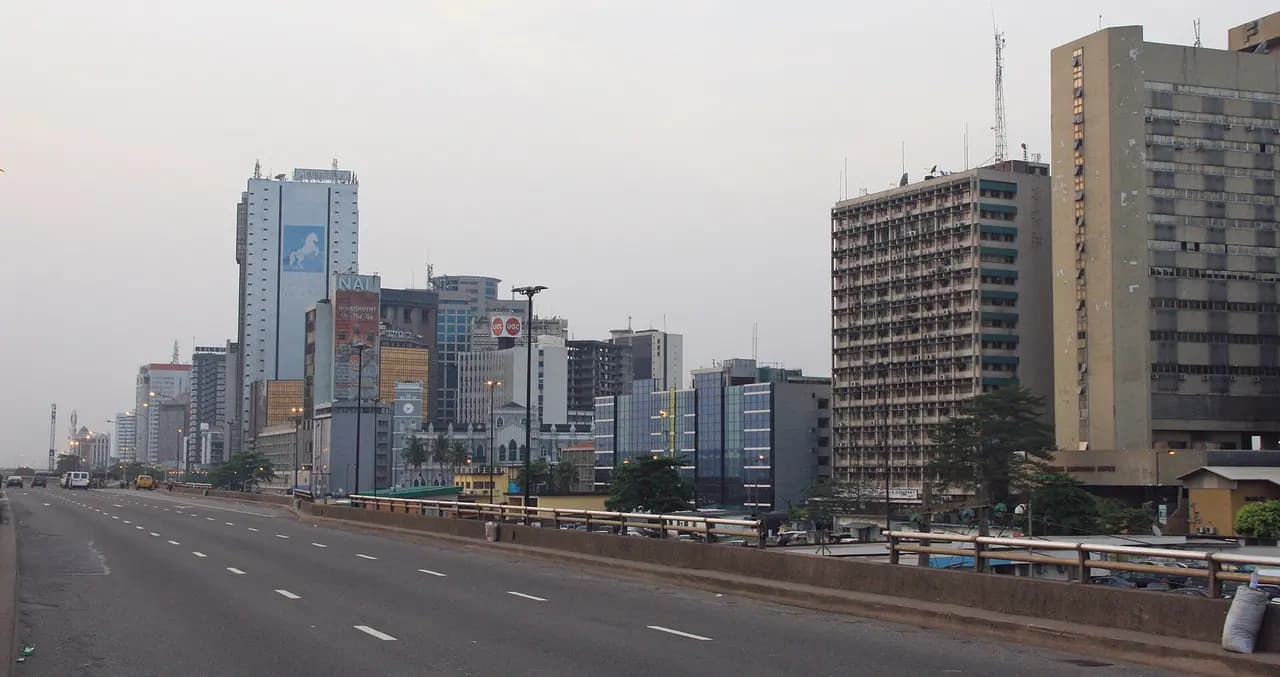
Nigerian households put off buying homes and cars as sentiment drops, CBN survey shows
The CBN's September household survey shows consumer sentiment fell to minus 18.7, with plans to buy houses, cars and investments the weakest.
By Pastroizon TV World Newsroom · · 2 min read

Nigerian households grew gloomier about their money in September and pulled back from big purchases, according to the Central Bank of Nigeria's Household Expectations Survey for the month. The overall consumer sentiment index dropped to minus 18.7 points, from minus 9.9 in August.
The index is a balance of opinion, so a reading below zero means more households feel negative than positive. The 8.8-point drop in a single month was first reported by Nairametrics on Sunday.
Buying a house was the purchase households were least keen on, with an index of minus 68.2. Buying a car or other vehicle came close behind at minus 67.3.
People were also wary of putting money into investments, at minus 50.7, and of buying fridges, furniture and other durable goods, at minus 49.5. The reading for rent stood at minus 32.0.
A separate set of hesitancy indices, which track whether households plan to buy at all, also stayed low. They stood at 19.4 for consumer durables, 15.7 for motor vehicles and 14.8 for buildings and land, all far beneath the 50-point mark that would signal a willingness to buy.
Prices still bite
The survey's measure of economic conditions came in at minus 21.5. Households scored their family finances at minus 23.9 and their family income at minus 10.5.
The CBN's index on how households see the prices of selected items rose to 33.5 from 23.0 in August. Nairametrics also reported that 77.2 per cent of households described inflation as high in September, up from 67.2 per cent a month earlier.
That mood contrasts with the official numbers. Headline inflation had slowed to 15.39 per cent in August, and the CBN's composite Purchasing Managers' Index rose to 53.0 in September from 52.7, its fourth month of growth in a row, Brandspur Nigeria reported.
Looking ahead
Households expect a slow recovery. They put sentiment at minus 8.7 for the coming month and minus 0.4 three months out, before turning positive at 7.1 over six months.
On borrowing costs, 62.2 per cent of respondents said they wanted lower lending rates. A smaller share, 45.1 per cent, supported higher rates to bring inflation down, and 44.8 per cent said they preferred cheaper loans even if prices rose faster as a result, Brandspur Nigeria reported.
Comments (0)
Related stories

Food prices fall in September but Lagos still has Nigeria's highest food inflation
NBS data show food prices dropped 1.55 per cent in September, yet food in Lagos cost 34.4 per cent more than a year earlier.
CBN grants JPMorgan approval in principle for Nigerian merchant bank
The US lender clears the first stage of licensing for JPMorgan Merchant Bank Nigeria Limited but must meet more conditions before it can open.