State police amendment wins approval of 24 state assemblies, clearing key hurdle
Two-thirds of Nigeria's state assemblies have backed the constitutional change that would allow states to set up their own police services, the Presidency says.
By Pastroizon TV World Newsroom · · 3 min read
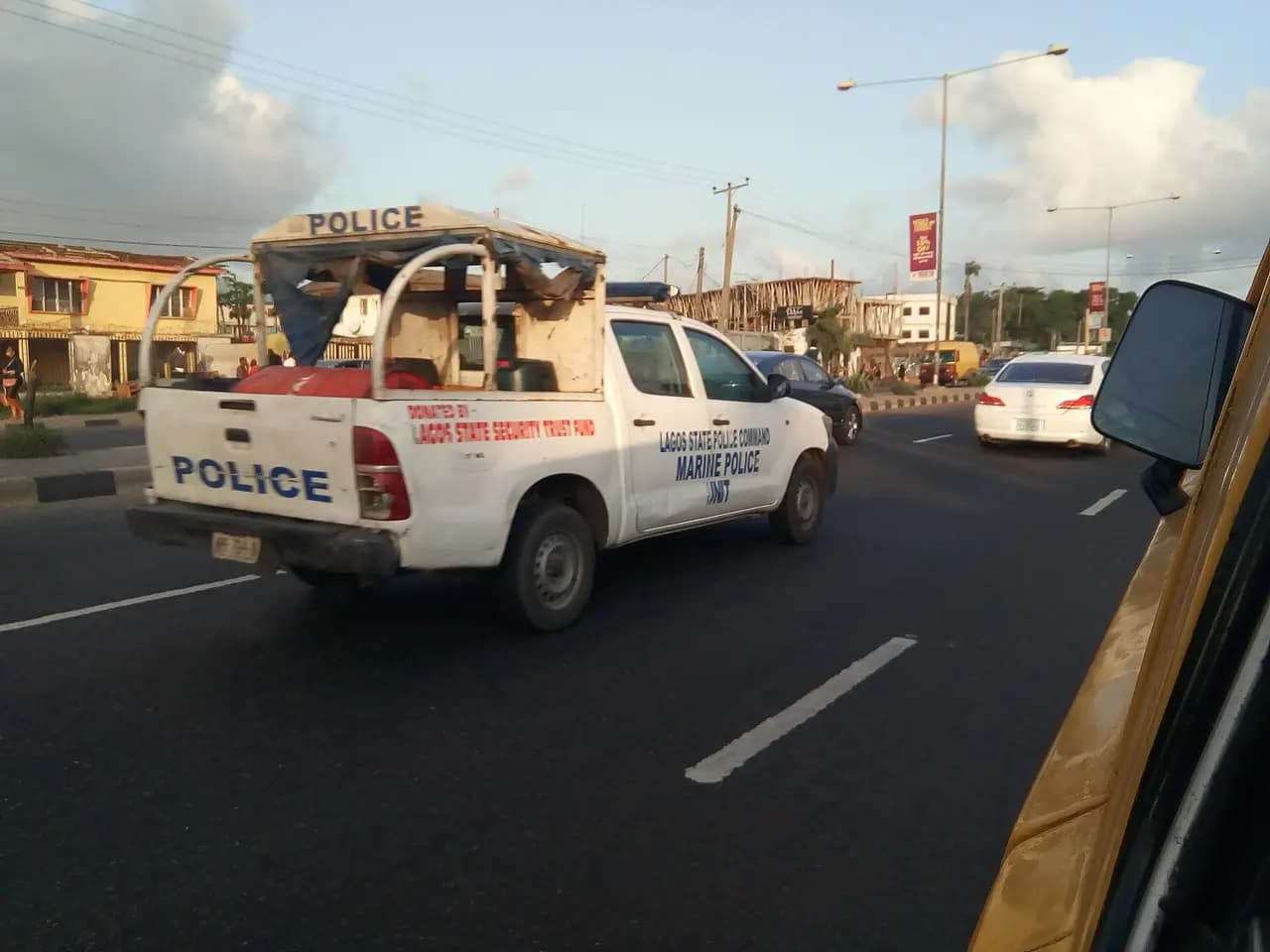
A constitutional amendment that would allow Nigeria's states to run their own police services has been approved by 24 of the 36 State Houses of Assembly, meeting the two-thirds threshold set by the Constitution, the Presidency said on Friday.
Femi Gbajabiamila, Chief of Staff to the President, announced the figure in a statement in Abuja as chairman of the Presidential Working Group on the National Policing Bill. Citing Section 9 of the Constitution, he said "the amendment can now be returned to the National Assembly for transmission to Mr President for assent".
The bill, formally the Constitution of the Federal Republic of Nigeria, 1999 (Sixth Alteration) Bill, 2026, provides for a dual policing system with a federal force and state services.
Which assemblies said yes
According to lists published by Daily Trust and The Star, the approving assemblies are all six in the South-South (Akwa Ibom, Bayelsa, Cross River, Delta, Edo and Rivers), four in the South-East (Abia, Anambra, Enugu and Imo) and four in the South-West (Ekiti, Ogun, Osun and Oyo).
In the North, Benue, Kwara, Nasarawa and Plateau approved in the North-Central, Adamawa, Taraba and Yobe in the North-East, and Kaduna, Kebbi and Zamfara in the North-West.
That leaves 12 states whose approval had not been recorded: Bauchi, Borno, Ebonyi, Gombe, Jigawa, Kano, Katsina, Kogi, Lagos, Niger, Ondo and Sokoto.
What the change would do
The amendment would split policing into two tiers. A Federal Police Service, led by an Inspector-General appointed by the President on the advice of the National Police Council and confirmed by the Senate, would handle terrorism, cybercrime, crime across state lines, arms trafficking and international criminal networks.
State Police Services would deal with public safety inside each state. Each would be headed by a commissioner appointed by the governor on the council's recommendation and confirmed by the state assembly. The bill bars any instruction for a police service to enforce the law "for a partisan, ethnic, religious, sectional or personal purpose".
The President could take temporary control of a state service if public order breaks down or if it is used for abuses such as electoral intimidation, but the National Assembly would have to approve and time-limit the takeover, Daily Trust reported.
How it got here and what comes next
The Senate passed the amendment on 24 June and the House of Representatives on 23 July. On 16 September, the Clerk to the National Assembly, Kamoru Ogunlana, sent it to the state assemblies and asked for their decisions within 30 days.
The National Assembly must now verify the state resolutions before sending the bill to President Bola Tinubu. Separately, the working group's draft National Policing Bill, 2026 is under review at the Federal Ministry of Justice and is due back by 30 October before it goes to the President.
Comments (0)
Related stories
Why has Nigeria extended its 2025 budget four times?
President Tinubu has signed a fourth extension that keeps capital spending under the 2025 budget going until 31 December 2026. We explain the extension.

Air Force plane crashes in Ondo, Tinubu declares three days of mourning
A Nigerian Air Force ATR-42 flying from Benin City to Lagos crashed near Igbokoda in Ondo State on Monday. The Presidency says none of the 32 people aboard survived.